You're Capable. That Might Be the Problem.

You're not the kind of person who needs help.
You've always figured things out. Painted your own walls. Built the bookshelf from the YouTube tutorial. Spent a Saturday afternoon rearranging the living room until it felt close enough to done. You're resourceful. You're capable. You've never needed someone to hold your hand through a home project.
So why is there a bag of supplies sitting by the door that's been there since February?
Why is the bedroom "almost done" in a way that somehow feels worse than before you started?
Why does the idea of opening Pinterest one more time make your chest tight instead of excited?
Nobody talks about this part. The part where being capable becomes the thing that keeps you stuck. Because if you can do it yourself, then not finishing feels like a personal failure. And asking for help feels like admitting you couldn't handle something that everyone on the internet seems to manage in a weekend reel set to upbeat music.
So you don't ask. You just live with the half-done version. And the bag stays by the door.
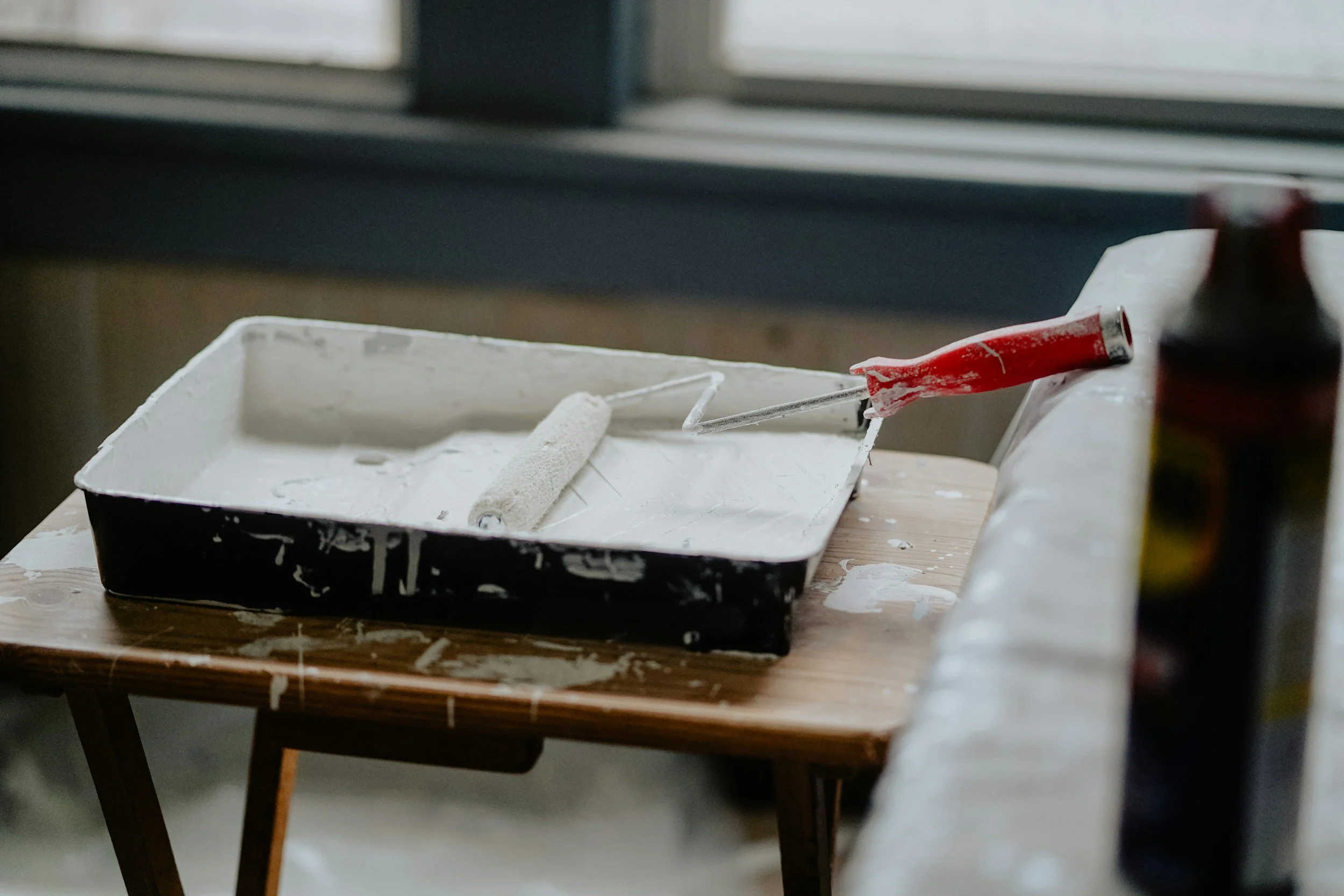
The DIY Stall Isn't About Skill
Here's what I've noticed after years of working with people who are very, very good at doing things themselves: the projects that stall almost never stall because of ability.
The paint is bought. The tools are there. The vision exists. Sometimes the room is literally 80% done.
What's missing isn't a tutorial or a trip to the hardware store. What's missing is the confidence to make the last few decisions. The ones that feel final. The ones where you can't undo it with a coat of primer and start over.
Choosing the exact shade for the accent wall when you've already committed to everything around it. Hanging the art when you know the nail holes will be visible if you change your mind. Buying the one piece that finishes the room, knowing that if it's wrong, the whole thing falls apart.
Those aren't DIY problems. Those are decision problems. And they don't respond to more research or more YouTube videos or more time. They respond to clarity. The kind you can't give yourself when you've been staring at the same room for three months.
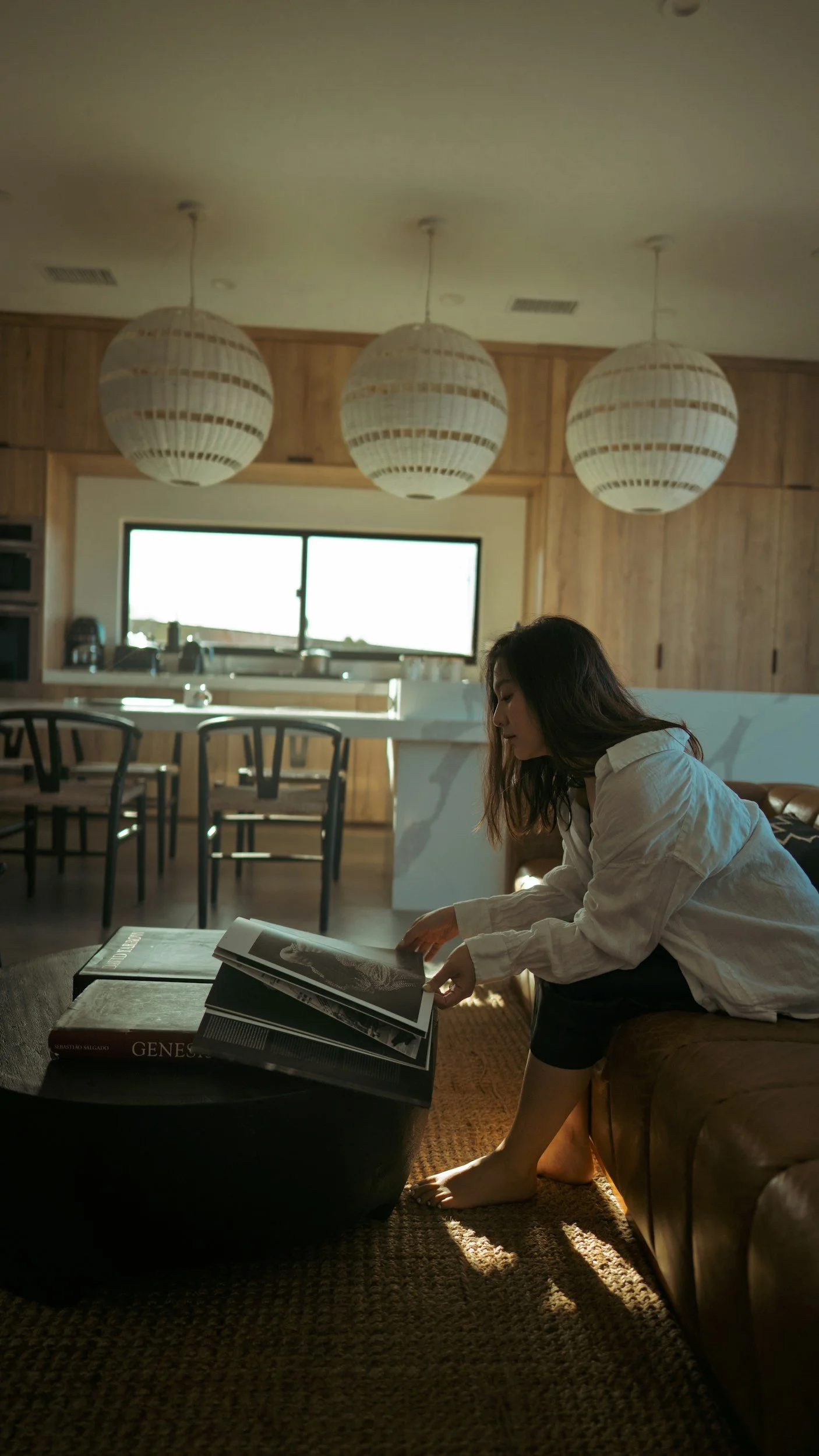
Why the "Almost Done" Room Feels Worse Than the Mess
This is the part nobody warns you about.
Before you started, the room was just a room. Imperfect but ignorable. You could walk through it without it asking anything of you.
Then you began the project. You invested time, money, energy, hope. You made visible progress. And now the room is in between. Not what it was. Not what it's going to be. Stuck in a limbo that somehow feels more unsettled than the original mess.
Every time you walk past it, the room reminds you that you started something you haven't finished. And because you're someone who finishes things, that reminder carries weight. Not just visual weight. The personal kind. The kind that says: you should be able to do this. What's wrong with you?
Nothing is wrong with you. The room just crossed from a project into a decision, and nobody told you those require different muscles.
Projects run on energy and momentum. You can push through a project on a Saturday with enough coffee and determination. Decisions don't work that way. Decisions need space. They need perspective. They need someone who isn't standing inside the problem trying to see the whole picture.
You've been trying to push through a decision with project energy. That's why it stalled.
The Myth of the Weekend Transformation
Social media has done something cruel to the way we think about home projects. It compressed them.
A 60-second reel shows someone transforming a bathroom from start to finish. New paint. New hardware. New styling. All done, apparently, between breakfast and sunset on a Saturday, with energy left over for a celebratory glass of wine at the end.
What you don't see: the four weekends before that one spent researching hardware. The three paint samples that didn't work. The fight with their partner about the mirror. The moment they sat on the bathroom floor genuinely unsure if any of it was going to come together.
You see the result. You compare it to your half-done room. And you conclude that the difference is competence.
It isn't. The difference is editing. What you're watching is a highlight reel with all the doubt removed. The doubt is where you live right now. And it's completely normal. It's just invisible on everyone else's feed.

What "Help" Actually Looks Like (It's Not What You Think)
When you've been doing everything yourself, the idea of asking for help conjures a specific image. Someone coming in, taking over, telling you what to do. Handing you a plan you didn't create for a room you know better than anyone.
That's not what I'm talking about.
The kind of help that actually works for someone like you, someone who's capable and invested and stuck, isn't someone doing the work for you. It's someone sitting with you in the decision you've been circling. Asking the questions you haven't thought to ask yourself. Noticing the thing your eye keeps going back to that you've been dismissing because it feels too simple.
Two hours. Not to redesign your room. Not to hand you a moodboard. Just to close the decision that's been keeping the bag by the door and the room in limbo.
That's it. That's what breaks the stall.
Not more research. Not more motivation. Not a better tutorial. Just someone who can see the room without the months of accumulated doubt you've been looking through.

The Permission You Didn't Know You Needed
Here's the thing about capable people. They're the last ones to ask for help and the first ones to benefit from it.
Because the issue was never ability. It was proximity. You're too close. You've been inside this decision so long that you can't tell the difference between genuine uncertainty and decision fatigue. Between a real design question and a fear of committing. Between "I don't know what's right" and "I know exactly what's right but I'm afraid to act on it in case I'm wrong."
Someone from outside the spiral can see that difference in about ten minutes. Not because they're smarter. Because they're not carrying three months of accumulated self-doubt about a paint color.
Asking for help with your home isn't admitting you failed at DIY. It's recognizing that the skill set that got the project 80% done isn't the same skill set that finishes it. Starting and finishing require different things. You're brilliant at starting. Finishing needs a different conversation.
And that conversation is two hours long.
If the Bag Is Still by the Door
You know the one. The hardware store bag. The fabric samples. The paint chips you've been "living with" for so long they've become part of the decor.
Pick one thing from it. Just one. Hold it up in the room.
Don't evaluate it. Don't compare it to the fourteen other options you've been considering. Just look at it in the actual space, under actual light, and notice what your body does.
Does your chest open? Does something settle?
Or does your stomach tighten? Does something resist?
That reaction, the one that happens before your brain starts building arguments, is the answer. It's been the answer for weeks. The bag has just been sitting there waiting for you to trust it.
If you're ready to stop carrying the half-done room and close the decision that's been stalling everything, that's exactly what Design Mood is for. Two hours. One decision. The bag finally leaves the door.