You Already Know Which Sofa You Want
I audited my own boards expecting range. I found forty-seven variations of the same sofa.
You know exactly what you want. That's the problem.
You've done more homework on this room than most people do on a car. Three boards for one space. 347 images. Screenshots from Instagram, TikTok, two design blogs, an article your sister sent at midnight with the message this is SO you.
You compared.
You measured.
You added to cart and removed it and added it again.
You're better at this than the people whose rooms you're saving.
The room looks exactly the way it did six months ago.
So here's the direct version. You're not short on inspiration. You're building a case, evidence for a decision you already made, because a decision that came from someone else's feed can't be blamed on you if it doesn't work.
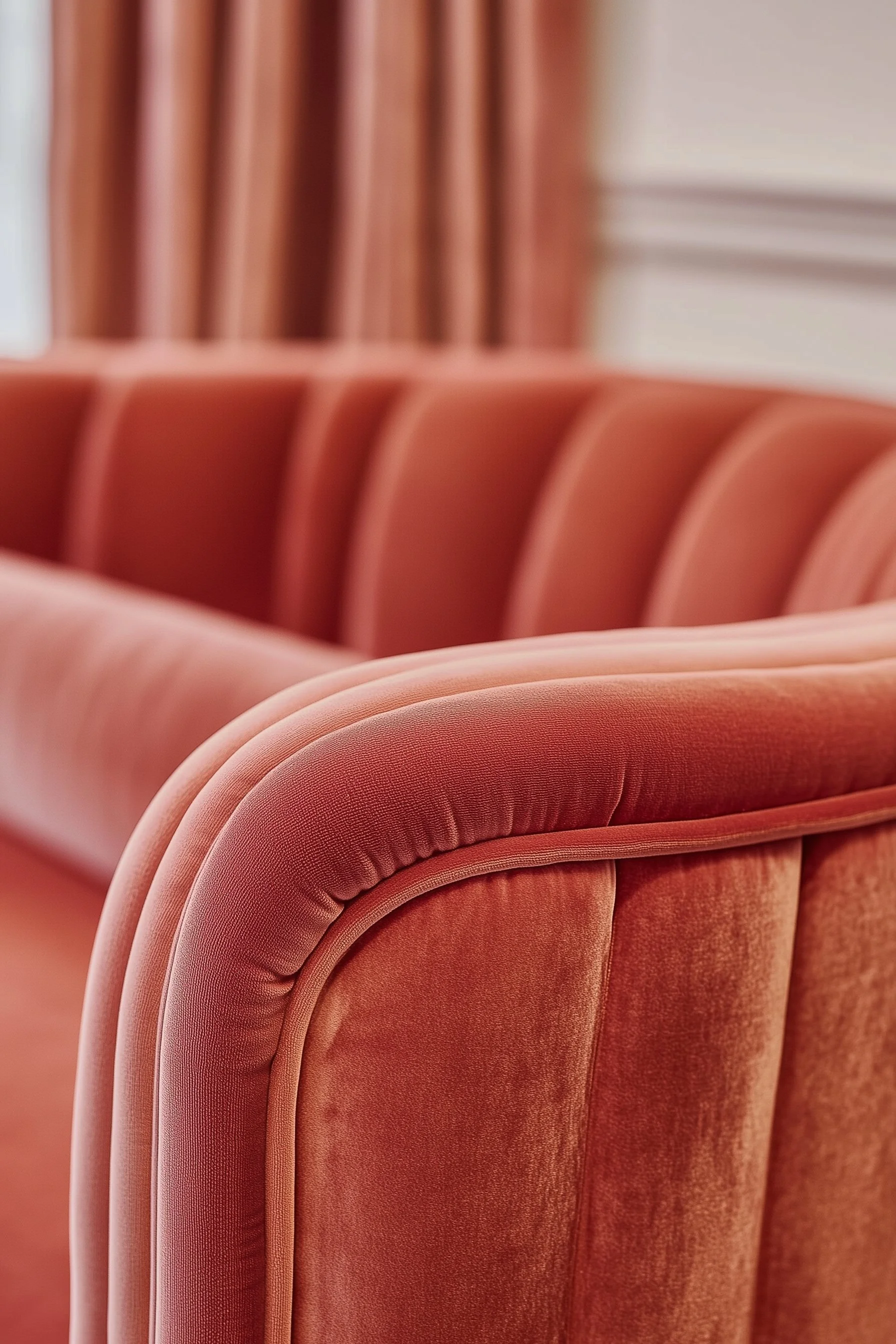
At Image 300
There's a version of this that's genuinely useful. You see a room and something in you responds before your brain catches up. That response is information, telling you something true about what you need a space to feel like.
Your research was real. It was also finished around image forty.
At image 300 you're not learning anything new about yourself. The same tones keep showing up. The same quality of light. The same relationship between furniture and floor. You've known for months.
What you're doing now is building a file. Collecting proof that your taste is real, that it's valid, that it's enough. That somewhere out there, someone already did the thing you want to do. If they did it first, it isn't only your idea. If it isn't only your idea, you're not the one on the hook when it doesn't work.
The research ended. The gathering didn't, and gathering has no ending, because the internet will never run out of images and you will never feel certain while you're measuring your own instinct against everyone else's.
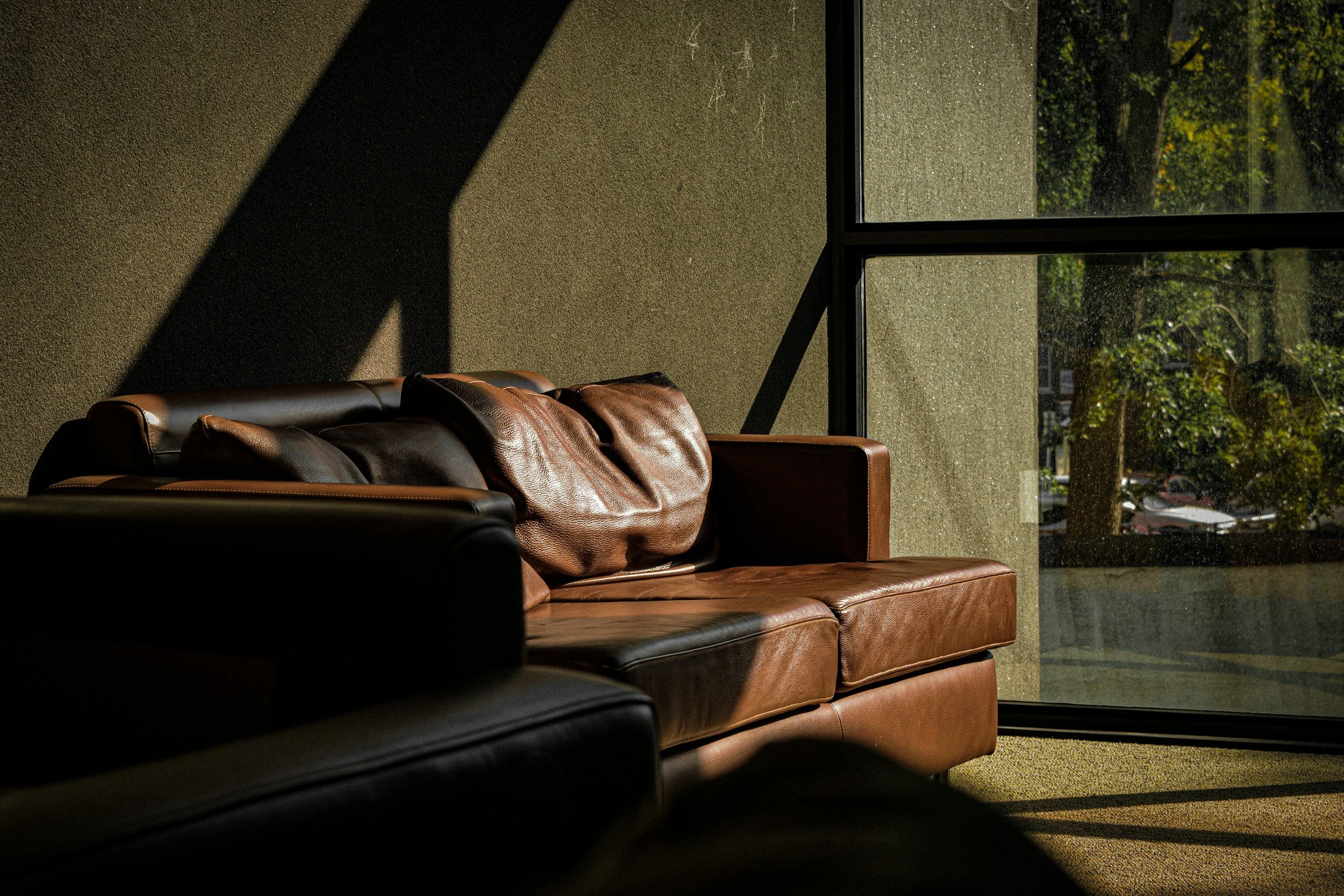
Image | Unsplash
Nobody says they're out of ideas
I've sat with enough people at this exact point to know what they say when they stop performing.
It isn't I don't know what I want. It's I know what I want and I need someone else to have picked it first.
Not for budget reasons. Not for practical ones. For this one: what if my instinct is wrong. What if I commit and my eye was off. What if the money goes toward something that came from inside me instead of a source I trust, and it doesn't work.
The 347 images are insurance. If the room disappoints, you can point at the research. You followed the references. You did the due diligence. The failure won't be entirely yours, because the decision was never entirely yours either.
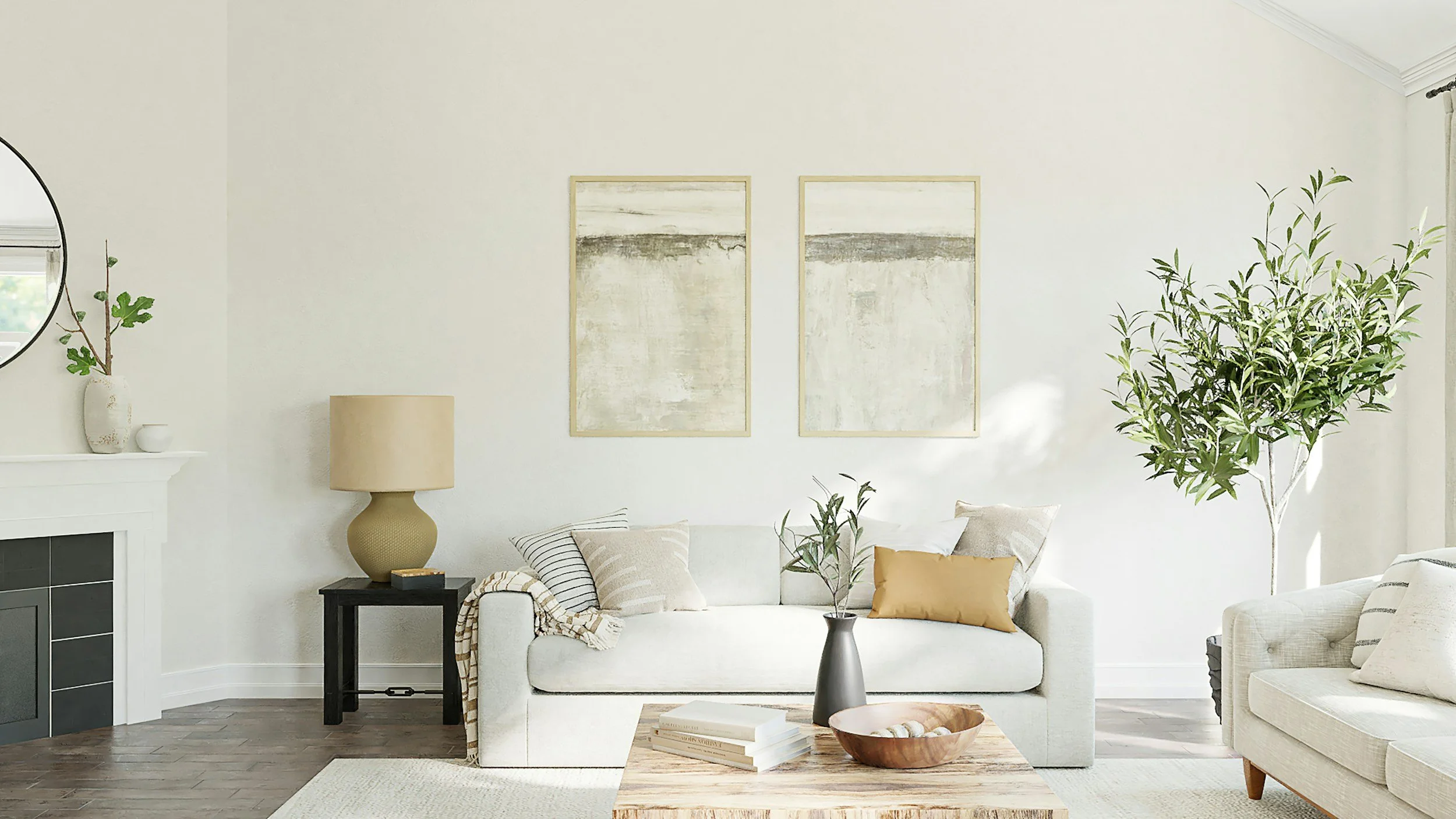
Image | spacejoy
What Your Saves Say
Open your boards right now. Not to add anything. To read them.
Notice what keeps recurring, not the specific pieces, the quality underneath them. The warmth or the restraint. The layering or the plainness. Rooms that look lived in versus rooms that look considered. Light that's soft versus light that's direct.
That pattern isn't an accident.
I did this with my own saves once, expecting range. Sophistication. Evidence of a broad visual vocabulary. What I found was warm wood, linen, the color of very old walls, and forty-seven variations of the same curtain. I have strong feelings about curtains, apparently. I now own a version of that curtain. The spiral ended the day I stopped pretending the question was still open.

Image | Unsplash
More Options, More Cover
Barry Schwartz, the psychologist who wrote The Paradox of Choice, splits people into maximizers and satisficers. Satisficers find something that meets their standard and stop. Maximizers keep going, because there might be a better one.
His research found maximizers carry more regret than satisficers, and are significantly more likely to measure their own choices against everyone else's. Read that second part again with your boards open. Every image you save is another person's finished decision, sitting in a grid next to yours, which isn't finished.
There's a second thing happening too. The bigger the pool, the more defensible the process. You didn't just grab the first one you liked. You considered forty. You were thorough.
The decision won't close because closing it was never the goal. Cover was.
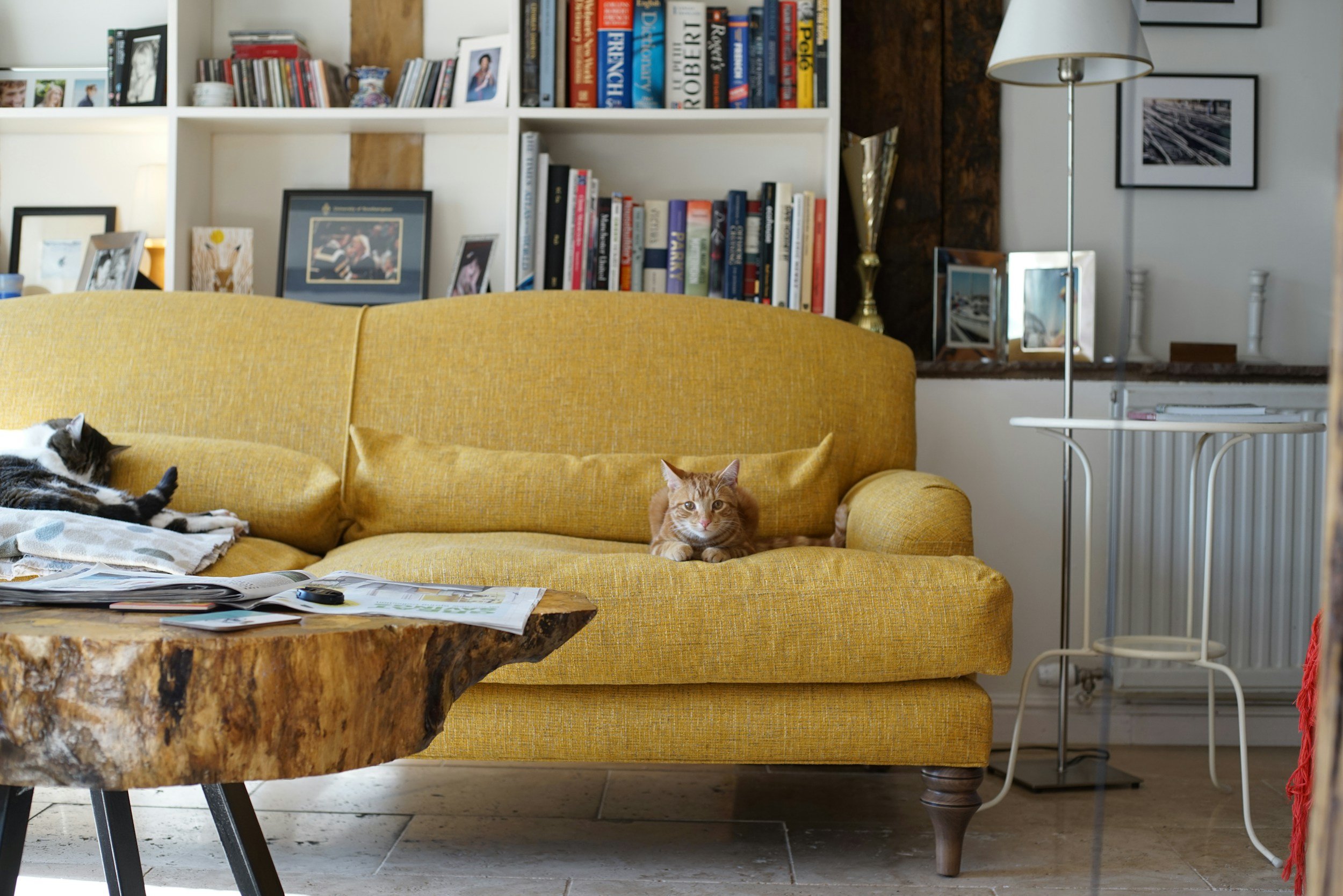
Image | Unsplash
Your eye already voted
It's been voting the same way for months. Different rooms, different photographers, identical quality underneath. That isn't indecision. That's a verdict you haven't filed.
Your standards have stopped sorting anything here. New images make you anxious instead of interested, which means the bar has moved past your own choice, not toward better taste. And you already know the difference between what you love and what's defensible, because you've been saving the defensible ones. The practical option, the reasonable one, the one unlikely to be wrong. You can feel which is which while you're doing it. That's exactly why it works as cover.
If you're hoping this ends with which sofa to buy, this is the wrong article.
What closes it isn't what would look good here, what's trending, what a designer would pick. It's this: what does this room need to feel like to be in. Physical. Specific. Not a mood board answer, a body answer. What has to meet you at the door after a day that already made you doubt everything.
Answer that honestly and the visual choices stop being a selection problem. They become recognition. You're not picking from infinite options anymore. You're looking for what matches something you already have.
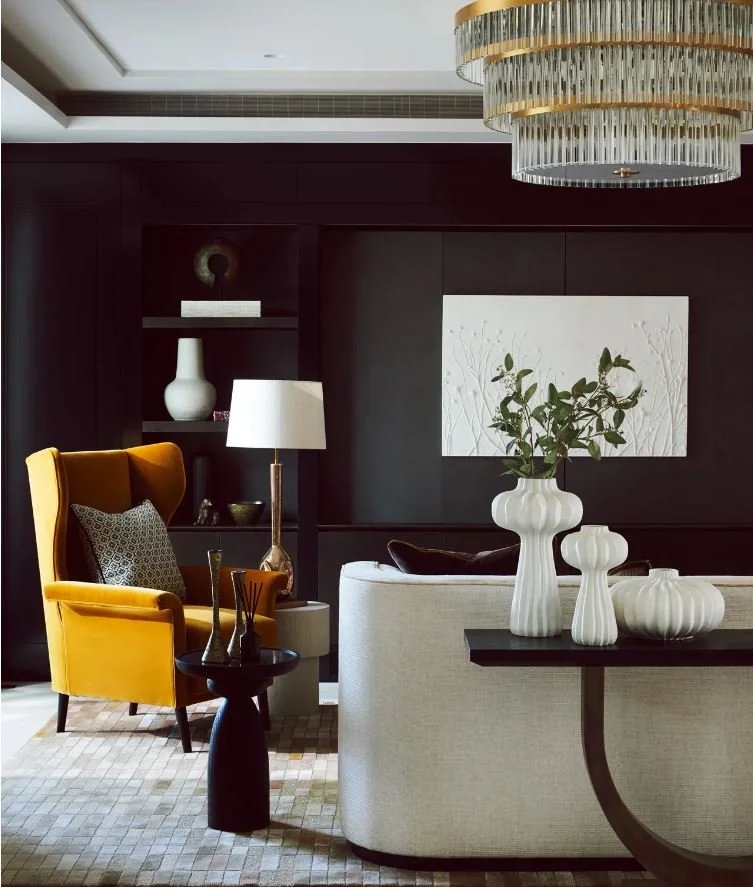
Image | Home & Gardens
The room isn't waiting for more proof. It's waiting for you to stop looking for a co-signer.
Design Mood is two hours built around exactly this. One decision closed, and a filter that makes the next one faster.
Design Mood is two hours built around exactly this. One decision closed, and a filter that makes the next one faster.